How to clean and maintain an epoxy garage floor
Regular removal of grit, prompt spill cleanup, mild cleaning products, and thorough rinsing help protect the appearance and traction of a coated garage floor.
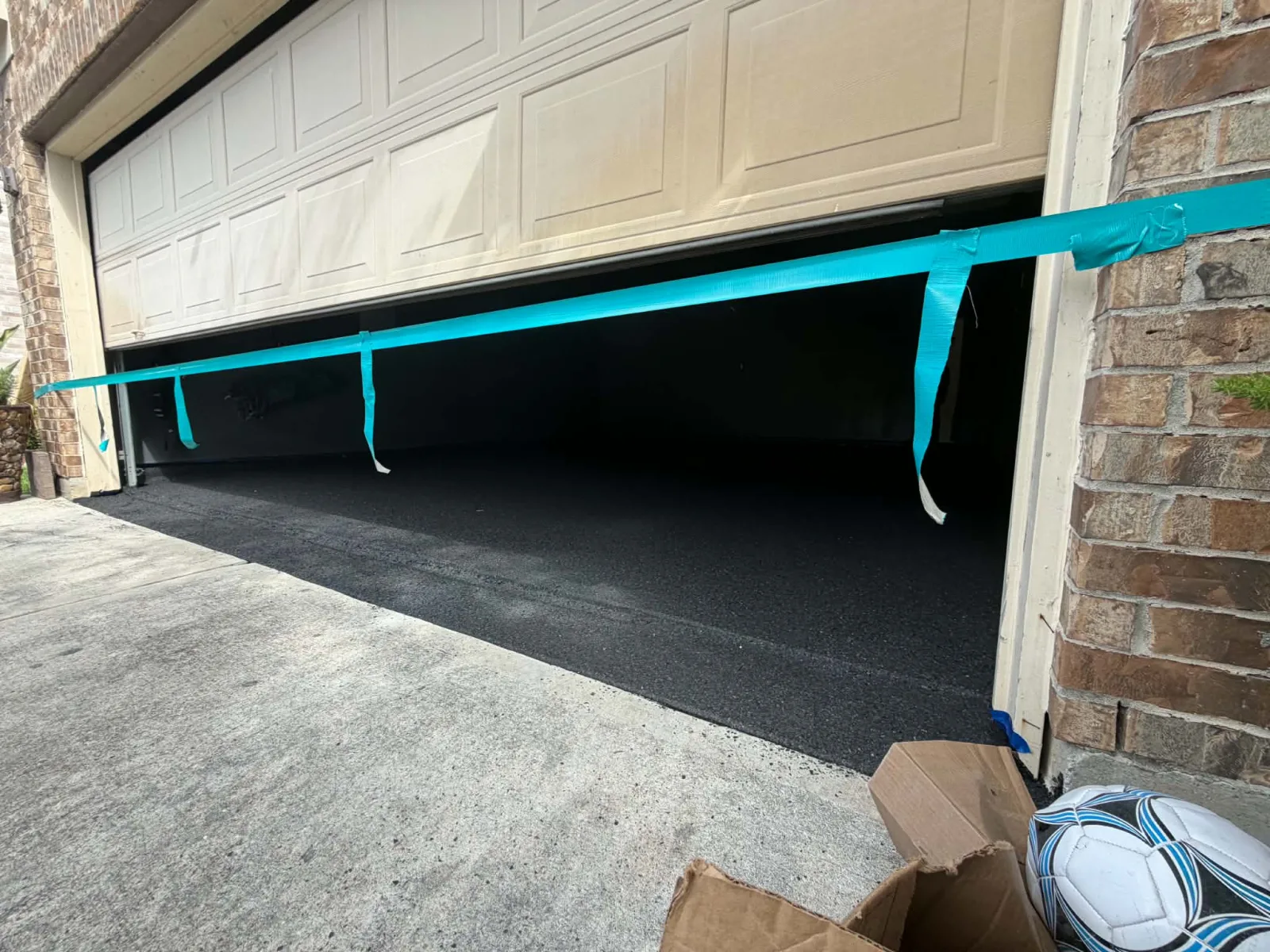
Garage floor coatings are easier to maintain when dirt and spills are handled before they build up. The correct routine depends on the exact coating, traffic, contamination, texture, and drainage. Carnar Epoxy uses Simiron coating products, so this guide starts with Simiron’s published care recommendations.
The basic routine: sweep or vacuum loose grit, wash with a compatible mild cleaner and soft bristles, rinse completely, and remove the rinse water. Clean spills promptly.
Remove loose dirt before washing
Dust, sand, and small debris can act as abrasives under shoes, tires, storage bins, and rolling equipment. Sweep with a broom or soft-bristled sweeper whenever visible grit builds up. A shop vacuum can help around edges and textured areas.
Cleaning frequency should match how the garage is used. A workshop, commercial bay, or garage near active construction may need more frequent attention than a lightly used residential space.
Use a mild compatible cleaning solution
Simiron recommends starting with the mildest cleaning approach. Its care guide identifies a pH-neutral or slightly alkaline non-residual detergent as the starting point. Follow the cleaner’s dilution instructions and test a small area before cleaning the entire floor.
Do not assume that a stronger chemical will clean better. Harsh cleaners, incompatible solvents, and residue-producing products can affect the coating or leave a film that changes its appearance and traction.
Wash with soft bristles and rinse completely
- Remove loose dirt with a broom or vacuum.
- Apply the diluted compatible cleaner.
- Use a mop, deck brush, or soft-bristle scrubber on dirty areas.
- Rinse thoroughly with clean water.
- Use a wet vacuum or squeegee to remove rinse water where drainage allows.
- Let the floor dry before returning items or traffic.
Simiron warns that soap residue can create a slip hazard. More detergent is not a substitute for agitation and a complete rinse.
Clean spills promptly
Water, oil, chemicals, and other liquids can create a slip hazard. Some materials can also stain or damage a coating when left on the floor. Blot or wipe the spill without spreading it, wash the area with a compatible mild detergent, rinse, and remove the rinse water.
For acids, caustics, solvents, automotive fluids, or an unknown chemical, follow the product’s safety data and disposal requirements. Contact the installer or Simiron when compatibility is uncertain.
Handle stains without scratching the floor
Start with a mild solution before moving to a stronger compatible cleaner. If dried residue is present, Simiron recommends using a flat plastic tool carefully so the surface is not scratched. Allow the cleaner to dwell only as directed, scrub gently, rinse, and dry the area.
Avoid metal scrapers and aggressive pads unless the coating manufacturer or installer specifically approves them.
Prevent scratches and gouges
Do not drag heavy cabinets, pallets, machinery, jacks, or sharp objects across the floor. Use appropriate lifting equipment, clean wheels, and protective material that will not trap moisture or react with the coating. Check rolling equipment for embedded grit before moving it.
Texture helps define traction, but it does not make the coating immune to concentrated impact or sharp edges.
Understand rubber tire and wheel marks
Simiron explains that plasticizers in some rubber wheels can migrate into a coating during prolonged contact and leave dark marks. For vehicles or heavy items that remain parked, the company recommends placing a nonporous barrier such as sheet metal or plexiglass between the tire and the floor.
Ask the installer before placing mats or other coverings. Some materials can trap moisture or contain plasticizers of their own.
Can you pressure wash the floor?
Simiron’s care guide allows pressure washing on its floors with water up to 149°F. That is a manufacturer limit, not a complete pressure-washing procedure. Excessive pressure, a concentrated nozzle, damaged coating, poor drainage, or spraying at edges and joints can create problems.
Confirm the acceptable pressure, nozzle, distance, water temperature, and drainage plan for the exact installed system before using a pressure washer.
Inspect the topcoat over time
Look for changes in gloss, worn traffic paths, deep scratches, impact damage, or areas where texture has changed. Simiron notes that periodic topcoat reapplication may help protect floors in high-traffic areas. Recoating is a professional maintenance decision because the existing surface must be evaluated and prepared for adhesion.
Contact the installer before damage exposes lower layers or the concrete.
The bottom line
A coated garage floor does not require complicated care. Remove abrasive grit, use a mild compatible cleaner, scrub with soft bristles, rinse thoroughly, clean spills quickly, and avoid dragging heavy or sharp objects. Keep the project’s product information so future cleaning and repair decisions match the installed system.
This article provides general information based on Simiron care guidance. Follow the current instructions for the exact products installed and the safety directions for every cleaning chemical.
Need help with a garage floor?
Contact Carnar Epoxy to discuss a new coating project or the condition of an existing floor.
Request a free estimate